The fastest system to increase direct bookings and reduce Airbnb reliance combines a conversion-focused direct booking website with real-time PMS syncing, plus automated guest follow-up that turns past Airbnb guests into repeat direct bookers. Bolting on just one of these rarely moves the needle. You need all three connected.
Key Takeaways
- A working direct booking system needs three connected parts: a booking-ready website, PMS-synced availability, and automated guest retention, not a single tool bolted onto your Airbnb listing.
- Guests who book directly return 28.3% of the time, compared with only 8.9% through Airbnb, according to an hostAI Report via gethostai.com (2026).
- Direct bookings produce 45.2% longer average stays than OTA bookings, according to Houfy (2026), which improves your revenue per turnover.
- You do not need to leave Airbnb to build a direct channel; most hosts run both in parallel while they shift their booking mix over time.
- Ten repeat direct bookings a year can recover between $2,520 and $5,820 that would otherwise go to OTA commissions, according to Houfy (2026).
- Boostly builds a done-for-you direct booking website with 27+ PMS integrations and built-in CRM, live within 35 days, backed by a guarantee: hit 65% direct bookings within 12 months or get your money back plus $1,000.
If you searched something like “I'm looking for a system to increase direct bookings and lessen my reliance on Airbnb, any recommendations,” you're probably staring at a commission statement wondering where a chunk of your revenue went. That's the moment most hosts start looking for a real system rather than another blog post about “diversifying your channels.”
At Boostly, we work with hosts every day who are stuck exactly there: decent occupancy, thin margins, and no structured plan for building a channel that doesn't take a cut of every booking. This guide walks through what an actual working system looks like in 2026, not just the advice to “get a website and hope for the best.”
You'll get a step-by-step build order, the economics behind why this matters, the mistakes that sink most DIY attempts, and a straight answer on how the pieces fit together so you're not managing five disconnected tools by the end of the year.
Is There a Reliable Formula for Beating Airbnb's Algorithm?
No verified formula for gaming Airbnb's search ranking exists, and you should treat any content citing a named “rule” as unreliable. What matters instead is understanding the actual mechanics of how Airbnb allocates search visibility and how that visibility interacts with your direct channel.
Airbnb's search ranking weighs booking conversion, response speed, and pricing competitiveness, among other factors it doesn't fully disclose. Chasing an invented rule wastes time you could spend on something measurable: building a direct channel where you control the ranking entirely, because there isn't one.
This is why we tell hosts not to obsess over reverse-engineering Airbnb's black box. Build a direct booking website where your own SEO, your own repeat-guest list, and your own pricing decisions determine your results. Boostly's websites are structured for search visibility from launch, so you're not dependent on guessing what an OTA algorithm rewards this quarter.
Which Direct Booking Platform Is the Best?
There's no single best direct booking platform for every host. The right choice depends on whether you want a self-service builder you manage yourself or a done-for-you system that handles setup, PMS integration, and guest retention for you. Suitability varies by portfolio size and how much time you have to run marketing yourself.
Self-service website builders suit hosts who enjoy the technical side and have time to manage SEO, copywriting, and booking-engine setup themselves. They're typically cheaper upfront but require you to build trust signals and secure payment processing from scratch, since more than 60% of bookings happen on mobile.
Done-for-you platforms suit hosts who want a working system without the build time. Boostly falls into this category: we build the site, connect it to 27+ PMS platforms for real-time syncing, and get you a working CRM within 24 hours of signing up, so you're not spending weeks configuring integrations before you take your first direct booking.
The trade-off is control versus speed. A self-built site gives you full customization but a longer runway to launch. A done-for-you build gets you live within 35 days but means trusting someone else's process. Your bottleneck, whether it's time, budget, or technical skill, decides which path is right.
Do Repeat Guests Really Drive Most of Your Profitable Bookings?
There's no confirmed industry ratio specific to Airbnb's algorithm or business model that we can verify from an authoritative source, so we won't present a fabricated version of one as fact. What we can say with confidence, based on patterns we see across our host community, is that a small share of repeat and referral guests tends to generate a disproportionate share of a property's most profitable, lowest-acquisition-cost bookings.
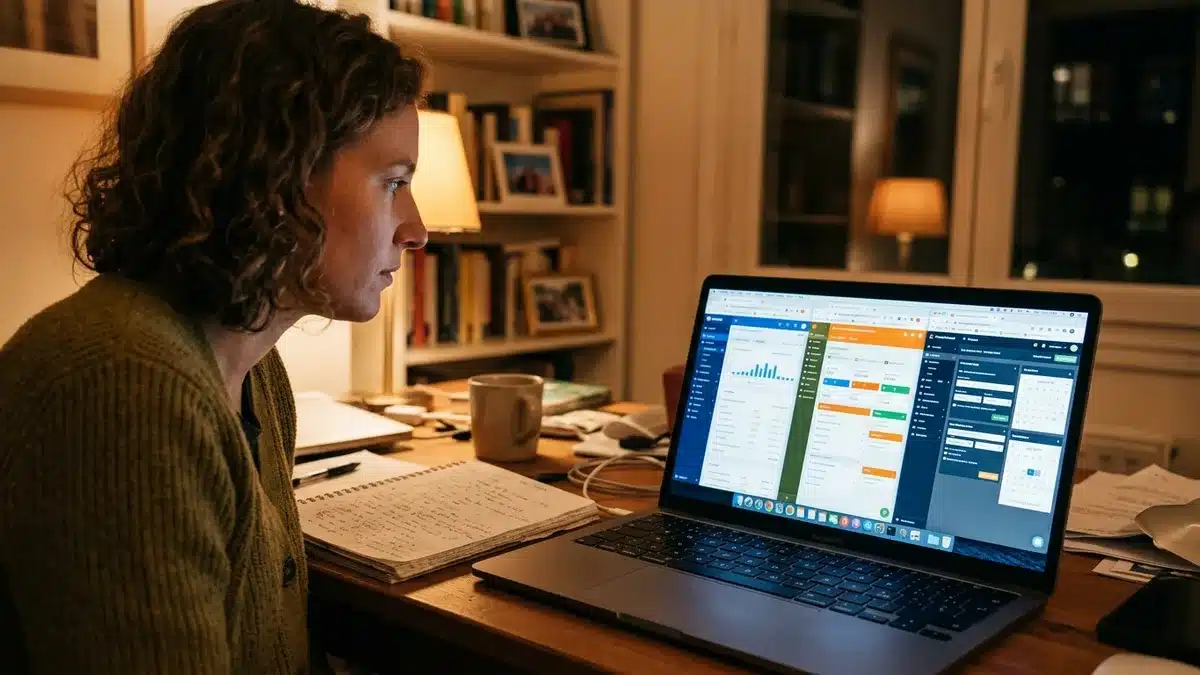
That pattern is exactly why repeat-guest marketing deserves more attention than most hosts give it. Guests who book directly return 28.3% of the time, compared with only 8.9% through Airbnb, according to an hostAI Report via gethostai.com (2026). That gap alone is a strong argument for capturing guest data and marketing to it directly instead of relying on Airbnb's messaging system, where you don't own the relationship.
Boostly's built-in CRM captures guest contact details at the point of direct booking and automates follow-up sequences, so that 28.3% repeat rate has an actual mechanism behind it instead of relying on guests remembering your property name a year later.
How to Beat the Airbnb Algorithm?
You don't beat Airbnb's algorithm by gaming it; you reduce how much it controls your revenue by building a direct channel it has no influence over. Optimizing your Airbnb listing still matters for discovery, but treating Airbnb as your only channel means every algorithm change is a direct threat to your income.
The practical approach: keep your Airbnb listing active and well-optimized as a discovery tool, but stop treating it as your only revenue source. Reducing OTA dependency doesn't mean leaving Airbnb, it means making sure no single platform can make or break your business.
For example, a property manager running eight units across two cities shouldn't need to re-rank on Airbnb every time the algorithm shifts weighting toward instant book or superhost status. If 65% of their bookings come direct, an algorithm tweak is an inconvenience, not a crisis. That's the resilience a real direct booking system builds, and it's the exact outcome Boostly's guarantee is built around: 65% direct bookings within 12 months, or you get your money back plus $1,000.
How Do You Build a Direct Booking System Step by Step?
Building a direct booking system follows a repeatable sequence: launch a booking-ready website, connect it to your PMS for real-time sync, capture guest data at every booking, automate follow-up and retention offers, then layer in SEO and paid traffic once the conversion mechanics work. Skipping the PMS sync and guest capture steps is why most DIY attempts stall.
Step 1: Launch a Website That Actually Converts
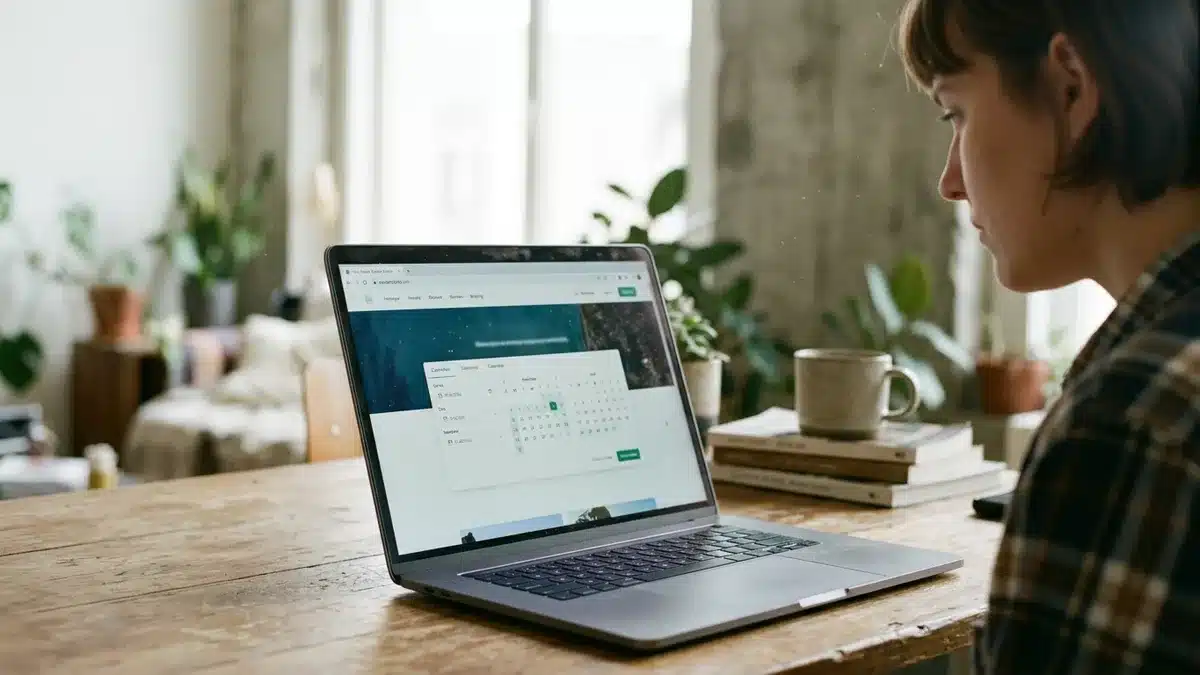
Most host-built websites fail not because of design but because they're missing the mechanics of conversion: real-time availability and instant confirmation. Guests today expect to reserve instantly, not submit an inquiry and wait.
A generic template with a “contact us” form is a brochure, not a booking engine. If your current site has no live calendar or instant checkout, you're losing every guest who compares it to the frictionless experience Airbnb already trained them to expect. Boostly builds this specific mechanic in from day one: a conversion-focused site with instant booking and secure payment, live within 35 days of signing up, no coding required.
Step 2: Sync Your PMS in Real Time
Your website is only as reliable as the calendar behind it. If your PMS and your booking site update on a delay, or worse, require manual entry, you're one missed update away from a double booking and a furious guest. Real-time synchronization is not optional once you're taking bookings from more than one channel.
This is where a lot of hosts underestimate the technical lift. Connecting a website to a PMS manually, or through a patchwork of plugins, often takes weeks of trial and error. Boostly integrates with 27+ property management systems and syncs listings, availability, and pricing in real time, so your Airbnb calendar and your direct booking site never contradict each other.
Step 3: Capture Guest Data at Every Booking
Every guest who books through Airbnb is a guest you don't fully own; Airbnb controls the messaging thread and the contact details. Every guest who books direct is a guest whose email and phone number you actually keep. That distinction is the foundation of repeat-guest marketing.
Give each property a distinct, searchable name, something like “The Juniper House at Red Rock” instead of a generic address, so guests can find and rebook you directly instead of searching “Airbnb near me” again. Boostly's CRM access arrives within 24 hours of signing up, so guest capture starts from your very first direct booking rather than after months of manual list-building.
Step 4: Automate Post-Stay Follow-Up
A single automated email sent within 24 hours of checkout is one of the highest-ROI marketing moves available to a small vacation rental owner. Most hosts never send it because they're managing this manually, if at all.
Boostly recommends sending a thank-you message immediately after checkout, followed by a return offer three to six months later, timed around when a guest is most likely to be planning their next trip. A common incentive structure is a 10% discount for guests who book directly on a return stay instead of going back through an OTA. This sequence, done consistently, is what turns a one-time Airbnb guest into a repeat direct booker.
Step 5: Layer in SEO and Local Content
Organic search drives a larger share of vacation rental website traffic than paid search, which means a website with no SEO strategy behind it is leaving the single largest traffic channel untouched.
Location and property-type pages, think “cabin rentals near [region]” or neighborhood guides, help your site show up for the exact searches your ideal guest is already typing. Boostly's sites are structured with SEO fundamentals built in at launch rather than added later, so you're not paying a separate agency months down the line to fix a site that was never built to rank in the first place.
What Does It Actually Cost to Stay Dependent on Airbnb?
Staying fully dependent on Airbnb costs hosts a recurring commission on every single booking, indefinitely, with no path to reducing that cost as volume grows. A direct booking system has an upfront setup cost but converts that recurring commission into a one-time investment that pays down over time.
Run the math on repeat guests specifically. Ten repeat direct bookings a year can recover between $2,520 and $5,820 that would otherwise be lost to OTA commissions, according to Houfy's 2026 analysis. Direct repeat bookings do carry their own cost, roughly $58 in payment processing on a $2,000 booking at a standard 2.9% processing rate, but that's a fraction of what an OTA commission takes on the same booking.
Here's a simplified side-by-side of what the two paths look like over a year for a host doing meaningful repeat business:
| Factor | Airbnb-Only Booking | Direct Booking (Repeat Guest) |
|---|---|---|
| Guest data ownership | Held by Airbnb, not the host | Owned by host via CRM |
| Repeat booking rate | 8.9% (hostAI Report, 2026) | 28.3% (hostAI Report, 2026) |
| Average stay length | Baseline | 45.2% longer (Houfy, 2026) |
| Payment processing cost example | Built into OTA commission | ~$58 on a $2,000 booking at 2.9% (Houfy, 2026) |
| Recovered revenue from 10 repeat bookings/year | Not applicable | $2,520-$5,820 (Houfy, 2026) |
Direct bookings cost less per transaction and convert repeat guests at a much higher rate. That's the entire economic case for building a system rather than staying passively listed and hoping occupancy holds. Boostly's model is built to save hosts roughly 15% per booking that would otherwise go to OTA commission, which compounds fast once your repeat-guest volume grows.
What Mistakes Do Hosts Make When Trying to Reduce OTA Reliance?
The most common mistake is building a website with no booking engine behind it, essentially a digital brochure that still forces guests to email or call to check availability. Guests who are used to instant confirmation on Airbnb will simply bounce rather than wait for a reply.
A second mistake is treating direct bookings and Airbnb as an either/or decision. You don't need to quit Airbnb to build a direct channel; the two work in parallel while your booking mix shifts. A third mistake: many hosts skip PMS integration entirely and manage two calendars by hand, which is how double bookings happen. A fourth is ignoring email consent and privacy basics, like proper opt-in language and data handling, which matters more as GDPR and CCPA-style expectations spread across the vacation rental industry.
A lot of hosts also try to do all of this themselves on top of running their properties, and the system stalls somewhere around month three because there's no dedicated time to finish it. This is the exact gap Boostly's weekly coaching calls and 80+ hours of training exist to close, so you're following a structured plan instead of guessing at priorities alone.
What Should Your 30/60/90 Day Direct Booking Plan Look Like?
A realistic direct booking rollout has three phases: get the foundation live in the first 30 days, build traffic and guest capture in days 31 to 60, and shift toward retention and repeat-guest marketing by day 90. Trying to do all three simultaneously from a standing start is usually what causes hosts to abandon the project.
- Days 1-30: Launch your direct booking website with real-time availability and secure payment. Connect it to your PMS so pricing and calendar data sync automatically across every channel, including Airbnb.
- Days 31-60: Set up guest data capture on every booking, start basic local SEO content around your property type and location, and put your first automated post-stay email sequence live.
- Days 61-90: Layer in a repeat-guest incentive, such as a direct-booking discount for returning guests, and start tracking your channel mix so you can see direct bookings climbing as a share of total revenue.
Boostly compresses the first phase specifically: your site goes live within 35 days and CRM access lands in your hands within 24 hours of signup, so days 31 through 90 are spent on traffic and retention instead of still waiting on a website build.
How Do You Choose the Right Tools Without Ending Up With Five Disconnected Systems?
Choosing direct booking tools comes down to whether you want a stack of specialized point solutions you manage yourself or a connected system where the website, PMS sync, CRM, and guest marketing already talk to each other. STR operators typically juggle three to five separate software tools, which creates real integration friction if none of them were designed to work together.
If you're comfortable managing multiple vendors and have the time to troubleshoot integration issues yourself, a best-of-breed approach can work: pair a booking engine with a separate CRM tool such as a host CRM and remarketing platform, and add a guest WiFi capture tool like StayFi's WiFi capture system to build an email list passively during a guest's stay. This route gives you flexibility but puts the integration burden on you.
If your priority is getting a working system live without becoming your own IT department, a done-for-you platform removes that burden. Boostly's approach bundles the website, PMS integration across 27+ systems, CRM, and guest automation into one system from day one, which is the difference between managing five vendor relationships and managing one.
For a broader look at the operational side of scaling beyond a single property, our piece on managing STR properties remotely covers the workflow side of this in more depth, and our guide on how to build a direct booking website walks through the build process itself.
What Legal and Trust Basics Should You Handle Before Moving Guests Off Airbnb?
Before you start capturing guest data and processing payments directly, you need basic compliance covered: proper email consent language, secure payment handling, and clear terms that reflect your business, not Airbnb's. Skipping this step is one of the most under-covered risks in direct booking guides.
Any platform storing guest or owner personal data needs to meet GDPR and CCPA-style expectations depending on where your guests are based, meaning consent language on your booking form and a basic privacy policy aren't optional extras. If your website processes card payments directly, PCI DSS compliance applies to how that payment data is handled and stored, which is why a properly built booking engine matters more than a generic contact form with a Stripe link bolted on.
Guest trust is the other half of this. Guests who've only ever booked through Airbnb are used to its built-in payment protection and review system. Your direct site needs to replicate that confidence: secure checkout, clear cancellation terms, and visible reviews or testimonials. This is exactly why Boostly builds payment security and trust signals into the website itself rather than leaving hosts to figure out compliance after the fact.
Data & Evidence: What Do the Numbers Actually Say About Direct Bookings in 2026?
The data consistently favors building a direct channel rather than staying Airbnb-only, though the scale of the opportunity depends on your property type and guest base. The global vacation rental market continues to grow in 2026, with North America holding a substantial share of global revenue.
At the guest-behavior level, the numbers are even more direct. Guests who book directly return 28.3% of the time versus 8.9% through Airbnb (hostAI Report via gethostai.com, 2026). Direct bookings also run 45.2% longer on average than OTA bookings (Houfy, 2026), which matters because longer stays reduce your per-stay cleaning and turnover costs relative to nightly revenue.
One additional data point worth flagging: OwnerRez's own blog reported a 14% repeat booking rate across 5,324 bookings in an older internal dataset, a useful historical benchmark showing that even modest repeat-rate improvements compound meaningfully at scale. Every source we've reviewed points the same direction: hosts who build a structured retention and direct booking system outperform those who don't, and the gap is measurable, not theoretical.
Frequently Asked Questions
Are there any guides or tools to help set up a direct booking system on my website?
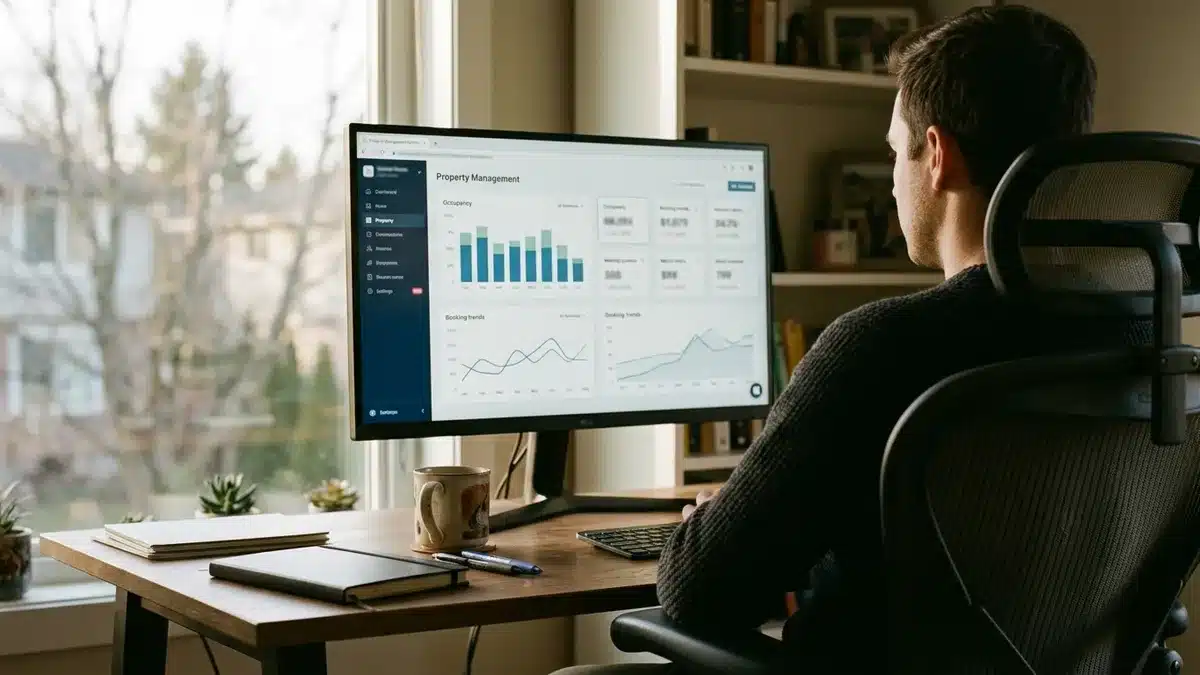
Yes. A working setup needs a booking engine with real-time availability, PMS integration, and guest CRM working together rather than as separate add-ons. Boostly provides this as a done-for-you build, including templates, AI tools, and 80+ hours of training so you're not assembling the system from scratch on your own.
How can I advertise my vacation rental to boost direct bookings?
Local SEO content, distinct and searchable property naming, and repeat-guest email campaigns are the highest-leverage tactics, since organic search drives more vacation rental website traffic than paid search. Paid ads can supplement this, but they typically cost more per booking than a well-optimized direct site with retention automation running behind it.
How can Boostly help you attract direct bookings?
Boostly builds a fully optimized, conversion-focused direct booking website live within 35 days, integrates it with 27+ PMS platforms for real-time syncing, and provides a built-in CRM active within 24 hours of signup for guest capture and automated follow-up. The platform backs this with a guarantee: 65% direct bookings within 12 months or your money back plus $1,000.
How does SEO help vacation rental managers drive direct bookings and growth?
SEO drives long-term, low-cost traffic to your direct booking site by ranking for location and property-type searches your ideal guests are already typing. Since organic search accounts for a larger share of vacation rental traffic than paid search, a site built with SEO fundamentals from launch compounds in value over time rather than requiring ongoing ad spend.
What platform can I use to manage my rentals and generate more direct guest bookings?
Look for a platform that combines a booking-ready website, PMS synchronization, and guest CRM in one connected system rather than three separate tools. Boostly bundles all three, along with weekly coaching calls, so multi-property operators and solo hosts alike aren't managing disconnected software across their portfolio.
Is there a platform for building an easy-to-use direct booking channel?
Yes, Boostly builds direct booking websites specifically for short-term rental hosts, with no coding required and a live site within 35 days of signing up. It's designed for hosts who want a working channel without managing web development, PMS integration, and CRM setup as separate projects.
Do I have to stop listing on Airbnb to build a direct booking system?
No. Most hosts run Airbnb and a direct booking site in parallel, using Airbnb for discovery while shifting a growing share of repeat and returning guests to their direct channel over time. Boostly is designed to work alongside your existing OTA listings, not replace them.
What's the difference between a direct booking website and a channel manager?
A channel manager syncs your calendar and pricing across OTAs like Airbnb and Booking.com so you avoid double bookings; it doesn't generate new bookings on its own. A direct booking website is your own sales channel that converts traffic into reservations without paying OTA commission, and it still needs PMS/channel sync behind it to stay accurate.
Conclusion: Building a System, Not Just a Website
Reducing your reliance on Airbnb comes down to building a connected system rather than adding one more tool to an already fragmented tech stack. A booking-ready website, real-time PMS sync, and automated guest retention need to work together, because guests who book directly return at 28.3% versus 8.9% through Airbnb (hostAI Report, 2026), and that gap only pays off if the mechanics behind it actually function.
With the vacation rental market continuing to grow in 2026 and OTA commission pressure showing no signs of easing, hosts who wait another year to build this system are leaving a measurable amount of revenue on the table every single month. The math on repeat bookings alone, $2,520 to $5,820 recovered annually from just ten repeat guests, makes the case on its own.
If you're ready to stop losing a share of every booking to OTA commissions, Boostly builds the exact system covered in this guide: a done-for-you direct booking website, 27+ PMS integrations, built-in CRM, and weekly coaching, backed by a guarantee of 65% direct bookings within 12 months or your money back plus $1,000.
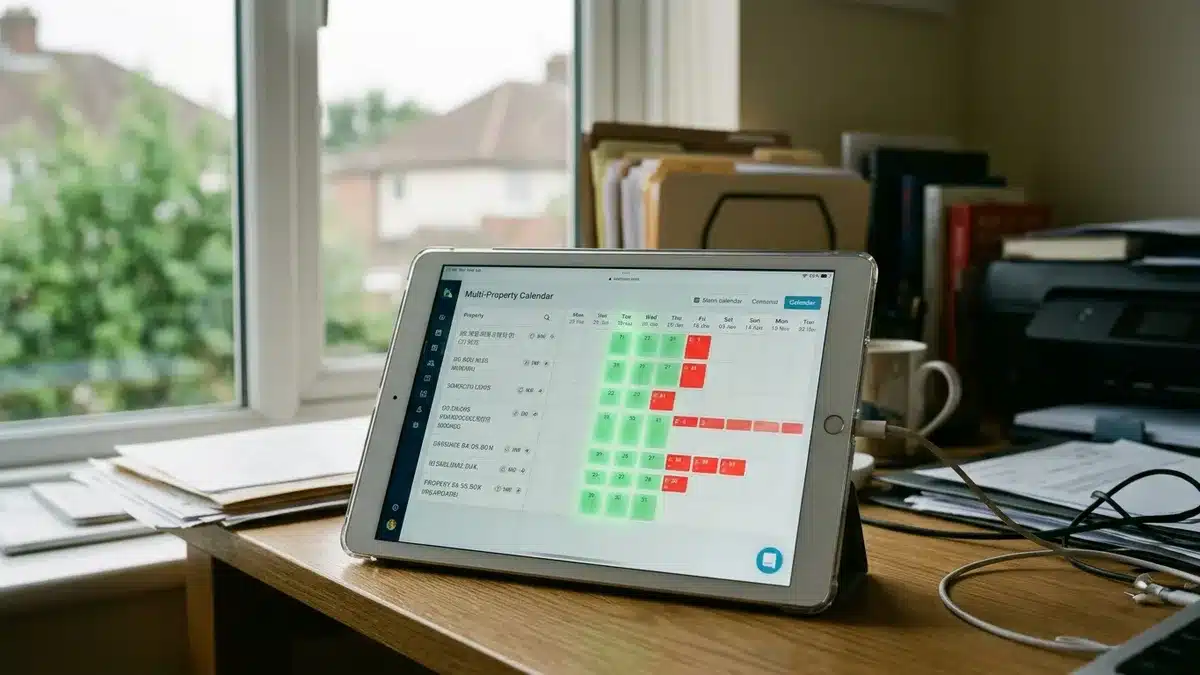
If your calendar is currently split across Airbnb, a spreadsheet, and a half-built website, book a demo with Boostly to see how the website, PMS sync, and CRM come together as one system, live within 35 days.