
The most effective way to promote direct bookings to past guests is capturing their contact details at every touchpoint, then following up with automated, personalised emails that offer a reason to book direct next time, a discount, an upgrade, or first access to dates. Guests who already trust your property are the easiest bookings you'll ever win back.
- Past guests convert at a higher rate than cold traffic because they already know your property, your check-in process, and your standards.
- Email remains the primary channel for re-engaging past guests, with many operators contacting their list roughly once a month to stay visible without becoming noise.
- Post-stay timing matters: a thank-you message within a few days of checkout, a review request about a week later, and a return offer at the three to six month mark tends to outperform a single generic blast.
- Rate parity rules don't block direct perks: you can honour OTA pricing agreements while still offering upgrades, early check-in, or added value exclusively to direct bookers.
- Segmenting by guest type, families, couples, business travellers, lets you tailor the offer instead of sending the same message to everyone on your list.
- Boostly's CRM captures every direct booking guest's data automatically and triggers the follow-up sequences that turn a single stay into a repeat direct booker, without you writing another email by hand.
If you've hosted for more than a season, you already know the frustrating part: a guest leaves a five-star review, tells you they'll be back next year, and then books their return trip through Airbnb anyway. Not because they didn't like staying with you directly, but because nobody ever gave them a reason or a route to do it differently.
That gap between “loved my stay” and “booked direct next time” is where most hosts lose money quietly, year after year. In 2026, with OTA commissions still sitting around 15% per booking, every past guest who rebooks through a platform instead of your own site is a small, repeatable loss. This guide covers exactly how to close that gap: what to say, when to say it, and what systems make the follow-up happen without you manually chasing every guest who ever stayed with you.
We work with short-term rental hosts across the direct booking spectrum at Boostly, and the pattern we see repeatedly is that hosts with no past-guest strategy leave the single cheapest booking channel they have completely untouched. This article shows you how to fix that, whether you have five past guests or five thousand.
How to Increase Direct Bookings from Past Guests?
You increase direct bookings from past guests by owning their contact information, then running a structured follow-up sequence that reminds them you exist, thanks them for their stay, and gives them a specific incentive to book directly the next time. The core mechanic is simple: capture the data, nurture the relationship, then convert at the right moment.
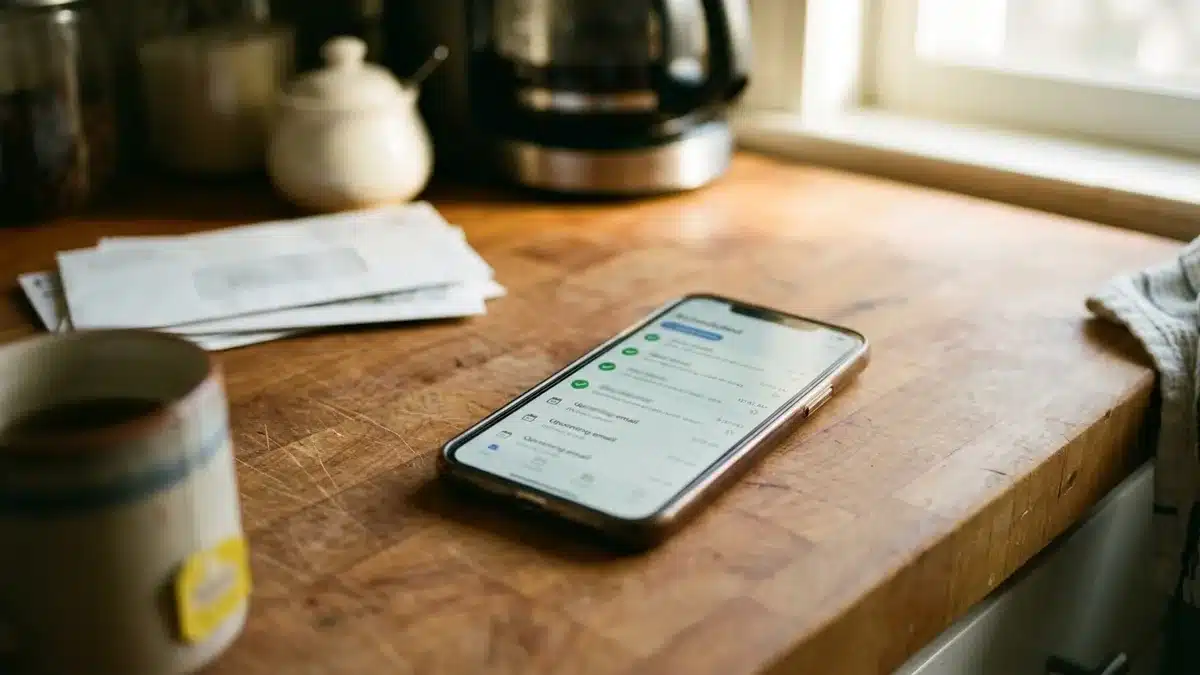
Most hosts skip the first step entirely. If a guest booked through Airbnb, you never see their email address, only a masked inbox thread that disappears once the reservation closes. That means every guest who books through an OTA is, by design, invisible to you after checkout. The platform owns that relationship, not you.
The fix starts earlier than most hosts think. Collect email addresses at check-in, through your Wi-Fi login screen, or as part of a digital guidebook. Once you have that address independent of the OTA thread, you can message that guest forever, on your terms, with your offer. This is exactly the infrastructure gap Boostly's built-in CRM was designed to close: it captures guest data from every direct booking automatically and gives you a database you fully own, not one that vanishes when a platform decides to change its messaging policy.
What Is the 15-5 Rule in Hotels?
The 15-5 rule is a hospitality service standard: acknowledge a guest with eye contact or a nod from 15 feet away, and greet them verbally once they're within 5 feet. It's a physical-space rule built for hotel lobbies, but the underlying principle, acknowledge early and warmly before the guest has to ask, applies directly to short-term rental guest communication.
For a vacation rental, there's no lobby and no front desk, so the “acknowledgment” happens digitally instead. A guest who books your property should hear from you before they arrive, feel looked after during the stay, and be thanked clearly at checkout. Miss any of those three touchpoints and the relationship goes cold the moment they leave.
Translate the 15-5 rule into your STR communication timeline like this: message at booking confirmation (the “15 feet” acknowledgment), message again a day before arrival with check-in details (closing the gap), then message once more within 48 hours of checkout to thank them and open the door to a return stay. This three-touch minimum is the baseline every host should hit before even thinking about promotional offers. Boostly automates this exact sequence, pre-arrival instructions, mid-stay check-ins, and post-checkout thank-yous, so the acknowledgment happens whether or not you're at your desk that day.
What Are the 3 C's of Hospitality?
The 3 C's of hospitality are commonly defined as Comfort, Care, and Communication, the three pillars that determine whether a guest feels genuinely hosted rather than just processed through a transaction. Applied to short-term rentals, these translate into property presentation, responsiveness, and the follow-through that happens after checkout.
Comfort is the easiest to deliver and the one most hosts already nail: clean linens, working appliances, accurate listing photos. Care shows up in the small things, a note about the best local coffee shop, a fast response to a question about parking. Communication is where most hosts fall short specifically around the post-stay window, which is precisely when a past-guest direct booking strategy needs to live.
Here's the connection most articles miss: the 3rd C, communication, doesn't end at checkout. If your communication stops the moment the guest hands back the keys, you've delivered comfort and care but abandoned the relationship exactly when it becomes most valuable, at the point where a returning guest could book you directly instead of paying an OTA commission again. Hosts using Boostly's CRM keep that communication line open through automated post-stay sequences, so the third C doesn't quietly disappear once the guest leaves.
How Would You Encourage Guests to Return?
Encouraging guests to return means giving them both a reason and a mechanism, an incentive that's meaningful enough to act on and a direct path to book that's easier than searching Airbnb again. The most effective return offers combine a modest discount with a personal touch that references their specific previous stay.
A generic “come back soon” email rarely converts because it gives the guest nothing concrete to act on. Compare that to an email that says: “Thanks for staying with us in October, here's 10% off if you book directly for your next trip.” One is a pleasantry; the other is an offer with a clear next step. Industry practice around post-stay outreach typically pairs a review request with this kind of return incentive, often timed a few months after checkout so it lands when the guest is realistically planning their next trip rather than still unpacking from the last one.
A subject line like “We'd love to host you again, with a special discount” paired with a direct booking link and a specific percentage off performs better than vague loyalty language. Add a small upgrade, free late checkout, a welcome basket, an early check-in slot, exclusively for direct bookers, and you give the guest a reason to skip the OTA search entirely. Just keep it consistent with any rate parity agreements you've signed. You can honour listed pricing while still layering in perks that only exist on your own site, something Boostly's website templates and booking engine are built to surface clearly to returning guests.
Tailoring Offers by Guest Type
Most guides treat all past guests the same, but a family who stayed for a week-long summer trip has a completely different rebooking trigger than a couple who booked a weekend getaway or a business traveller who stayed three nights mid-week. If your CRM tags guest type at booking, you can segment your follow-up instead of sending one offer to everyone.
A family segment responds better to a school-holiday-timed offer with a sibling discount or extra bedroom perk. A couples segment responds to a seasonal romantic-getaway angle, think a Valentine's or anniversary-timed email. Business travellers rarely rebook for leisure unless you specifically prompt them with a “bring the family next time” angle. This kind of segmentation is a real content gap in most direct booking advice, which tends to treat “past guests” as one undifferentiated list. Boostly's CRM stores guest preferences and stay details, so segmenting by type becomes a filtering exercise rather than a manual sorting job through spreadsheets.
How Do You Script In-Property Cues That Drive Direct Bookings?
In-property cues are physical or digital touches inside the rental itself, welcome books, in-room cards, digital guidebooks, that plant the idea of booking directly before the guest even checks out. This is one of the most overlooked tactics in direct booking strategy because most hosts think of marketing as something that happens after the stay, not during it.
A simple welcome book insert can do more work than an entire email sequence. Something like: “Loved your stay? Book directly with us next time and skip the platform fees, just visit [yoursite].com or ask us for our card.” Placed on the kitchen counter or inside the guidebook, this reaches every single guest, including the ones who never open a single follow-up email.
Digital guidebooks work the same way but scale better across a portfolio. If you're managing several units, a templated card referencing your direct booking site can be inserted into every property's welcome materials without extra design work per listing. Combine this in-stay cue with the post-checkout email sequence and you're reinforcing the same message at two completely different moments, while the guest is physically present and enjoying the space, and again once they're back home and planning their next trip. Few competitor guides mention this dual-touch approach, but it's a low-effort, high-recall tactic worth building into every property you operate.
What Loyalty Mechanics Work Beyond a Simple Discount?
Loyalty mechanics for short-term rentals go beyond a flat percentage off and include tiered perks, referral rewards, and early-access booking windows that reward repeat and referring guests differently based on their value to your business. A single 10% discount code treats every past guest identically, which leaves real conversion potential on the table.
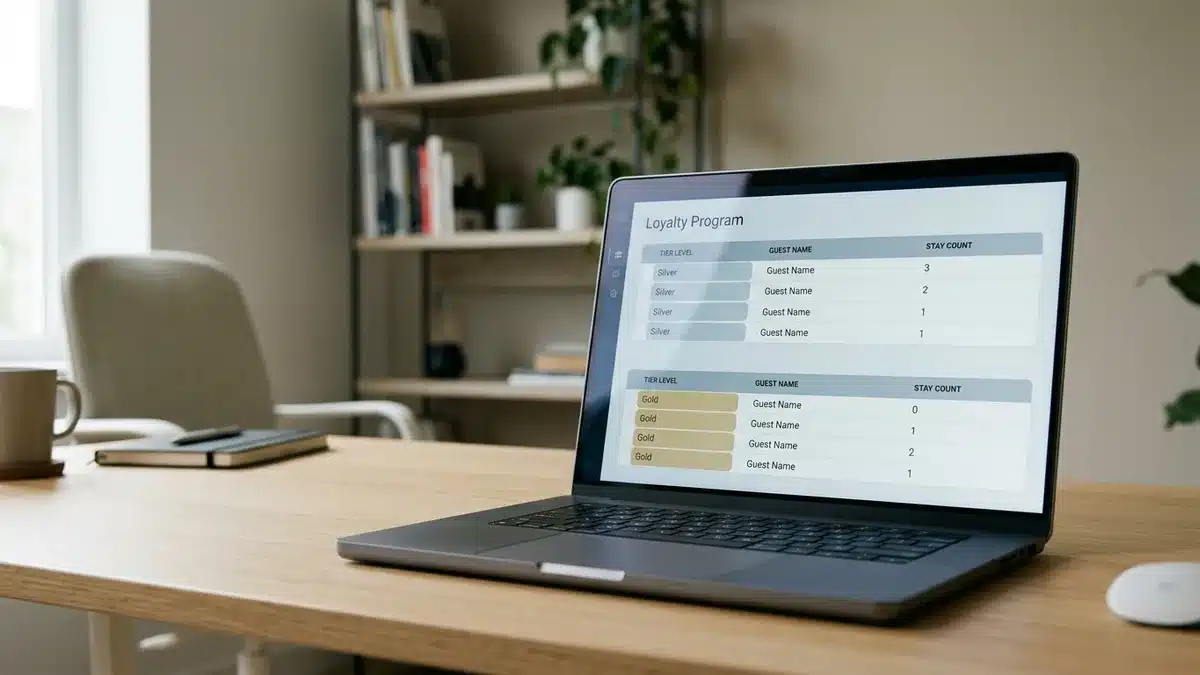
Consider a simple three-tier structure: 1st-time returning guests get a modest discount and a small welcome perk, 2nd-time returners unlock a free upgrade like early check-in, and guests who've stayed three or more times get first access to your calendar before dates go public. This kind of tiering rewards your best guests more than your occasional ones, and it gives hosts with a growing repeat-guest base a reason to keep tracking stay history carefully.
Referral programmes extend this further. Offer both the referring guest and their friend a modest perk, a discount for the new booker, a credit or upgrade for the guest who sent them your way. This turns your existing guest base into an acquisition channel, not just a retention one. Multi-tiered loyalty mechanics are rarely covered in depth elsewhere, largely because they require tracking stay history and referral chains manually, exactly the kind of guest data management that a CRM designed for STR hosts, like the one built into Boostly, handles without you maintaining a separate spreadsheet.
How Do You Balance OTA Rate Parity with Direct Booking Perks?
Rate parity agreements typically require you to list the same nightly rate across Airbnb, Booking.com, and your own direct site, but they don't prevent you from adding non-rate perks exclusively for direct bookers. This distinction is where most hosts get nervous and either over-comply by offering nothing extra, or under-comply by quietly breaking parity terms.
The safe, effective middle ground is value-adds rather than price cuts. Free early check-in, a complimentary late checkout, a welcome basket, a discount code applied at checkout rather than shown on the listed rate, these are all ways to make direct booking more attractive without technically violating a parity clause tied to the displayed nightly rate. Many hosts also frame the value proposition honestly: “book direct and skip the platform's added fees,” since OTA guests typically pay extra service charges on top of the nightly rate that direct bookers simply don't encounter.
Read your specific OTA agreements carefully, since terms vary by platform and can change. When in doubt, add value rather than cut price, and always disclose your direct booking offer transparently on your own site rather than through side channels. This kind of nuanced compliance is a genuine content gap most direct booking guides skip entirely, glossing over parity concerns instead of addressing them directly. It's also a conversation we have constantly with hosts inside Boostly's coaching calls, since getting this wrong can create real friction with OTA partners you still rely on for new guest discovery.
Direct Booking Follow-Up Timeline: A Practical Framework
A structured post-stay timeline turns a one-off “thanks for staying” message into a system that consistently nudges past guests toward a direct rebooking. The table below outlines a realistic cadence based on common industry practice for post-stay guest communication.
| Timing | Message Type | Purpose |
|---|---|---|
| Within 48 hours of checkout | Thank-you note | Close the loop on the stay, invite feedback informally |
| About 1 week post-checkout | Review request | Capture a public review while the stay is fresh |
| Roughly monthly | Newsletter or update | Stay visible without overwhelming the guest's inbox |
| 3 to 6 months post-stay | Return offer with discount or perk | Convert re-engagement into an actual rebooking |
| Seasonal trigger (holiday, anniversary of stay) | Timed promotional offer | Match the offer to a realistic rebooking moment |
This cadence works because it respects attention without disappearing. A single email sent once, right after checkout, and never again, is easy to forget. A monthly barrage with no personalisation gets marked as spam. The middle path, thank, request, stay visible, then convert at a natural window, is what separates hosts who see repeat direct bookings from hosts who see the same guest rebook through Airbnb a year later because nobody reminded them there was another option.
Running this manually across a growing guest list becomes unmanageable fast, which is exactly why using a book direct marketplace to drive direct bookings alongside automated CRM sequences matters more as your portfolio scales. Boostly's automation runs this exact timeline in the background once a guest checks out, so the cadence happens consistently across every property without you tracking dates in a separate calendar.
What Mistakes Should You Avoid When Marketing to Past Guests?
The most common mistake is not collecting guest contact data at all, treating every stay as a one-time transaction instead of the start of a relationship you can market to indefinitely. Beyond that, several smaller errors quietly undermine even a well-intentioned past-guest strategy.
- Sending one generic email to everyone. A single blast with no segmentation misses the difference between a family, a couple, and a solo traveller, all of whom respond to different triggers.
- Offering the same discount to every guest regardless of history. Your third-time returner deserves more than your one-time OTA guest who barely remembers your property name.
- Ignoring rate parity terms and cutting listed prices directly. This risks your OTA standing without actually being necessary, value-adds work just as well.
- Letting the guest database live in your head or a messy spreadsheet. Without a proper CRM, stay history, preferences, and contact details get lost the moment you're busy with turnover season.
- Never referencing the guest's actual previous stay. “We hope you'll stay with us again” is forgettable. “We hope you'll join us again this October, back at the same lakeside cabin you loved” converts.
- Forgetting the review-to-loyalty pipeline. A guest who leaves a glowing review is primed for a return offer immediately after, yet most hosts treat reviews and rebooking as separate tasks entirely.
Every one of these mistakes stems from the same root cause: doing this manually without a system built for it. This is precisely the gap Boostly's CRM and guest follow-up automation were designed to close, guest data captured automatically, sequences that run without manual triggering, and a database that survives long after any individual stay ends.
How Long Does It Take to See Results from a Past-Guest Strategy?
Results from a past-guest direct booking strategy typically build over several months rather than appearing instantly, since the whole approach depends on guests actually returning to travel, which for most leisure travellers happens on a yearly or seasonal cycle rather than weekly. Expect early wins from reviews and referrals within weeks, and rebooking conversions to build over two to three travel seasons.
The fastest visible impact usually comes from the immediate post-checkout thank-you and review request, since these operate on a short timeline of days, not months. Direct rebooking conversions take longer because they depend on the guest's actual travel calendar. A family that vacations every summer won't rebook in January no matter how good your March email is, timing your offer around their natural travel rhythm matters more than sending frequency.
Hosts building toward a meaningful direct booking percentage of total revenue should think of past-guest marketing as one input alongside a properly built direct booking website, SEO, and OTA-to-direct conversion tactics working together. Boostly's guarantee reflects this same reality: 65% direct bookings within 12 months is a realistic outcome when the full system, website, CRM, automation, and coaching, works together, not from any single tactic in isolation.
Frequently Asked Questions
How do I get past guests' contact information if they booked through Airbnb?
Collect emails directly during the stay through a Wi-Fi login screen, a digital guidebook signup, or a printed welcome card asking guests to join your mailing list for future offers. Since Airbnb masks guest contact details after checkout, capturing this information in person or digitally during the stay is the only reliable way to own that relationship going forward.
What's a good discount to offer past guests for booking directly?
Many hosts use a modest discount, often cited around 10%, paired with a value-add like early check-in or a small welcome gift, rather than relying on price alone. The exact figure matters less than pairing it with a specific, personal call to action referencing the guest's previous stay.
How often should I email past guests without annoying them?
A roughly monthly cadence for general updates works well for most short-term rental hosts, supplemented by triggered emails around checkout, reviews, and seasonal offers. Going much more frequent than monthly risks unsubscribes, while going quieter than quarterly means guests forget you exist by the time they're ready to travel again.
Can I offer direct booking perks without violating OTA rate parity rules?
Yes, as long as the perks are value-adds rather than changes to your listed nightly rate, such as free early check-in, a complimentary upgrade, or a discount applied at checkout rather than shown on the public rate. Always review your specific OTA agreements, since parity terms can vary and change over time.
Do I need a CRM to run a past-guest direct booking strategy, or can I use spreadsheets?
A spreadsheet can work for a single property with a handful of past guests, but it breaks down quickly once you're tracking stay history, preferences, and follow-up timing across multiple properties or a growing guest list. A CRM built for short-term rentals, like the one included with Boostly, automates data capture and sequencing so nothing falls through the cracks.
What should a post-stay thank-you email actually say?
A good post-stay thank-you references the specific property and dates, thanks the guest genuinely, and includes a soft ask, either a review request or an invitation to reach out directly for their next visit. Avoid generic templates with no personal detail; guests can tell the difference between a mail-merge and a message that actually references their stay.
How do I know if my past-guest strategy is actually working?
Track your direct booking percentage over time and specifically flag how many of those direct bookings come from returning guests versus new visitors to your site. If that repeat-guest share is growing quarter over quarter, your follow-up sequence is converting; if it's flat, revisit your timing, segmentation, or offer.
Should I run a referral programme alongside my past-guest email sequence?
Yes, a referral programme extends the value of your existing guest base by turning satisfied past guests into an acquisition channel, not just a retention one. Offering a modest perk to both the referring guest and the new booker tends to work better than a one-sided incentive.
Conclusion: Turn Every Stay Into a Future Booking
Promoting direct bookings to past guests comes down to three things: owning their contact data, following up on a consistent and personalised timeline, and giving them a genuine reason to skip the OTA the second time around. As of 2026, with OTA commissions still eating roughly 15% off every booking you don't control, your past guest list is one of the cheapest acquisition channels you already own, you just have to use it.
Start with the basics if you haven't already: capture emails at every stay, build a simple three-touch follow-up sequence, and segment your list by guest type before you send a single blanket offer. If you're ready to stop running this manually and want a system that captures guest data automatically, triggers the right sequence at the right time, and ties it into a website built to convert, that's exactly what Boostly was built to handle, CRM, automated follow-up, and a direct booking website working together, backed by a 65% direct booking guarantee within 12 months. Book a demo at boostly.co.uk and see how the full system works for your property.

If you're weighing what a full direct booking system actually looks like once past-guest follow-up is running alongside your website, our breakdown on how to build a direct booking website walks through the next step in detail. Get started with Boostly to see the CRM and automation in action for your own portfolio.