
Becoming an Airbnb host means creating a verified account, confirming your property meets local short-term rental laws, preparing the space for guests, and publishing a listing with photos, pricing, and house rules. Most hosts can complete the process in a few weeks, though local permit approval can take longer depending on your city or county.
Key Takeaways
- Before you list anything, confirm zoning, permits, taxes, and HOA or landlord permissions specific to your property's location.
- Airbnb's host-only fee model runs around 15.5% on the booking subtotal for most hosts, though older fee structures still apply to some accounts, so check your dashboard before pricing.
- Hosts who invest in professional photography tend to see a meaningful earnings lift the following year.
- Superhost status requires at least 10 reservations, or 3 reservations totaling 100+ nights, within a rolling 365-day window.
- Self-managing, hiring a co-host, or using a full-service manager each carry different trade-offs depending on how many properties you run.
- Building your own direct booking channel alongside Airbnb, using a platform like Boostly, protects your margin from day one instead of waiting years to reduce OTA dependence.
Airbnb hosting in 2026 looks different from even two or three years ago. Local licensing has tightened in many cities, and the fee structures hosts operate under vary more than most new hosts realize. If you searched for how to become an Airbnb host, you're likely trying to figure out whether the process is worth the effort, and what it actually costs to get a listing live.
This guide walks through the entire process: legal groundwork, account setup, property prep, listing creation, pricing, and the operational decisions that determine whether hosting is a side income stream or a genuine business. We also flag where Airbnb's platform requirements end and your own city, HOA, or mortgage lender's requirements begin, because conflating the two is one of the most common (and costly) mistakes new hosts make.
At Boostly, we work with thousands of hosts who started exactly where you are now: one property, one Airbnb listing, and a plan to eventually stop handing 15% or more of every booking to a platform they don't control. Understanding how Airbnb hosting works from day one makes that transition much easier later.
What Do You Need to Check Before Listing a Property?
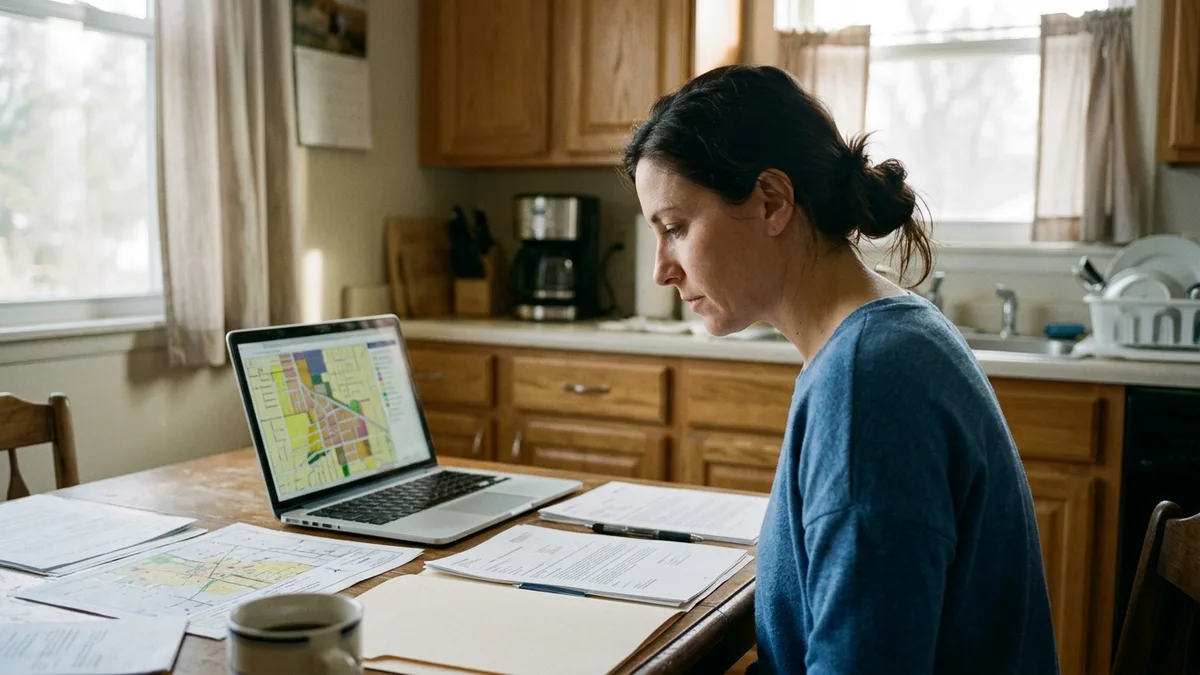
Before you list anything, you need to verify that short-term rental hosting is legal in your specific location and that you have permission from anyone else with a stake in the property. This step gets skipped constantly, and it's the single biggest cause of shut-down listings and fines.
Specifically, work through four separate layers of authorization, because Airbnb's terms of service and your local legal obligations are not the same thing:
- Zoning and permits: Many cities and counties require a short-term rental permit or business license, and some restrict STRs to owner-occupied homes or cap the number of rental days per year. Check with your local planning or zoning office directly, since rules change frequently.
- Lodging taxes: Most jurisdictions require collection of occupancy or lodging tax, sometimes automatically collected by Airbnb, sometimes not. Confirm which applies to your listing.
- HOA, landlord, or co-op board rules: If you rent, lease, or live in a managed community, get written permission before you list. Treat this as a prerequisite step, not an afterthought.
- Mortgage and insurance terms: Some mortgage agreements restrict rental use, and standard homeowners insurance typically doesn't cover short-term rental activity, so you may need a separate STR policy or an endorsement.
Airbnb's own regional host guidance tells hosts to investigate local laws and taxes before starting, and to disclose property quirks honestly in the listing itself, such as narrow doorways or a rustic staircase. Treat that as the floor of your due diligence, not the ceiling. As of 2026, several cities have introduced stricter permit-display requirements, so confirm the current rule with your local licensing authority rather than relying on older articles.
How Do You Set Up an Airbnb Host Account and Get Verified?
Setting up an Airbnb host account involves creating a profile, completing identity verification, and connecting a payout method, all inside Airbnb's own onboarding flow. This is the platform-side administrative step, separate from the legal groundwork covered above, and it typically takes under an hour to complete.
The core steps, in order:
- Create an Airbnb account using an email address or phone number you'll actively monitor, since guest messages and booking alerts route here.
- Complete identity verification, which usually requires a government-issued ID and, in many markets, a selfie match.
- Add a payout method (bank account, debit card, or other supported option) so Airbnb can send your earnings after each stay.
- Set your host profile: a short bio, a profile photo, and response preferences. Guests weigh this more than new hosts expect, since it's the only human signal on an otherwise algorithmic booking page.
Identity verification exists to protect both guests and hosts, and Airbnb has tightened this process over recent years in response to industry-wide trust and safety concerns. Don't skip or rush it; incomplete verification is a common reason new listings get flagged or delayed before they ever go live.
How Do You Prepare Your Property for Guests?
Preparing a property for Airbnb guests means furnishing it for comfort and safety, stocking essential supplies, and setting up systems for cleaning and check-in between stays. Airbnb specifically recommends fresh linens, towels, and basic toiletries before welcoming your first guest, and that baseline hasn't changed in 2026.
Beyond the basics, prioritize:
- Safety equipment: smoke detectors, carbon monoxide detectors, and a fire extinguisher are standard expectations, and some jurisdictions legally require them.
- Reliable Wi-Fi: guests increasingly rank connectivity above amenities like parking, and a weak signal generates disproportionate complaints relative to its fix cost.
- Secure storage: Airbnb advises storing jewelry, passports, and other personal items in a locked closet or off-site, separate from anything accessible to guests.
- Cleaning workflow: decide whether you'll clean between every stay yourself, hire a cleaner, or use a scheduling tool. Turnover speed directly affects how tight you can run your booking calendar.
Self-cleaning works for a single, nearby property but breaks down fast once you add a second unit or travel frequently. Most hosts we work with at Boostly move to a cleaner or co-host within their first year simply because same-day turnovers become unmanageable solo.
How Do You Create and Publish an Airbnb Listing?
Creating an Airbnb listing means entering your property type, location, bedroom and bathroom count, and maximum guest capacity, then adding photos, a description, amenities, and house rules before submitting it for publication. Airbnb's official getting-started guide confirms these are the core required fields, and the listing typically goes live within minutes of submission, pending any local permit requirements you've already secured.
A few details matter more than new hosts assume:
- Photos first. Hosts who invest in professional photography tend to earn meaningfully more the following year than those who don't. If a professional shoot isn't in the budget yet, natural light and a decluttered room get you most of the way there.
- Honest descriptions. Disclosing quirks upfront, like a steep staircase or a shared driveway, reduces cancellations and bad reviews far more than it reduces bookings.
- House rules and guest capacity. Set these accurately from the start. Retroactively changing capacity or rules after guests book creates review problems and support disputes.
Once your Airbnb listing is live, it's tempting to treat that as the finish line. In practice, it's the starting point. Every booking that comes through Airbnb also comes with a commission attached, and the listing itself is entirely owned by Airbnb's algorithm and design, not by you. That's the exact gap a direct booking website is built to close, giving you a booking channel with your own branding and your own guest data, with no dependence on someone else's search ranking.
What Is the 80/20 Rule in Airbnb?
There is no officially documented “80/20 rule” published by Airbnb as a platform policy or pricing formula. Some hosts use the phrase informally to describe the idea that a small share of amenities or listing improvements drive most of the booking impact, but this is host folklore, not an Airbnb standard, and you should treat any specific numeric version of it with skepticism.
What is documented, and worth focusing on instead, is Airbnb's Superhost program. The official criteria require, within the past 365 days, a minimum of 10 reservations, or 3 reservations totaling at least 100 nights, along with a low cancellation rate, strong response rate, and high overall rating. If you're looking for a “rule” to build toward, this is the real one, because it directly affects your search placement and guest trust.
What Should You Know About Pricing and Occupancy Targets on Airbnb?
You may have seen hosts reference a “75-55 rule” for Airbnb pricing or occupancy targets. No such rule exists in Airbnb's official documentation, and it appears to be an informal or misattributed idea circulating in host forums rather than a published standard, so we won't present an invented framework as established guidance.
Instead, anchor your pricing and occupancy decisions to your own booking data, comparable listings in your market, and Airbnb's built-in pricing suggestions, which adjust based on demand signals specific to your calendar and location. Watch your booking pace over rolling 30-day windows and adjust rates when occupancy drifts noticeably above or below your market's comparable listings, rather than chasing a fixed percentage target that isn't grounded in Airbnb's actual policy.
How Hard Is It to Become an Airbnb Host?
Becoming an Airbnb host is administratively straightforward. Account setup and listing creation can be done in an afternoon, but running a successful listing long-term is harder than most new hosts expect. The difficulty shifts from “getting listed” to “staying booked, staying compliant, and staying profitable” almost immediately after your first guest checks out.
The parts that trip up new hosts most often:
- Underestimating time cost. Guest messaging, turnover coordination, and pricing adjustments add up fast, especially without automation.
- Misreading local law. Rules change; a listing that was compliant when you started may need a new permit renewal or tax registration a year later.
- Confusing Airbnb requirements with your own. Airbnb's platform standards, like identity verification and cancellation policy, are separate from your city's, your HOA's, and your lender's requirements. Meeting Airbnb's bar doesn't automatically mean you're legally covered elsewhere.
- Full OTA dependence. Hosts who rely entirely on Airbnb for bookings have no channel of their own if algorithm changes, policy shifts, or fee increases hit their market. This is where building a direct booking presence early, rather than waiting until you're managing five properties, pays off.
What Disqualifies You From Airbnb?
Airbnb can suspend or remove hosts for identity verification failures, repeated policy violations, safety issues, or failure to meet local legal requirements for short-term rental operation. Specific experience and service hosts, those offering tours, activities, or specialized services rather than standard home stays, may additionally need valid licenses, insurance, and certifications, which is a distinct requirement track from ordinary home hosting.
Common disqualifiers worth knowing upfront:
- Failed or incomplete identity verification during account setup.
- Operating without a required local permit, license, or tax registration where one is mandated.
- Repeated guest safety violations, undisclosed hazards, or serious policy breaches flagged through Airbnb's trust and safety review.
- Chronic cancellations or non-responsiveness, which won't get you banned outright but will tank your search visibility and eligibility for Superhost status.
None of this is designed to be punitive for first-time hosts making honest mistakes. It's designed to protect guest trust in the platform, which in turn protects your own booking volume once you've built a track record.
What Insurance Do Airbnb Hosts Need?
Airbnb hosts typically need a dedicated short-term rental insurance policy or endorsement, because standard homeowners or renters insurance usually excludes commercial short-term rental activity. Airbnb provides AirCover for Hosts as a platform-level protection layer, but this supplements rather than replaces your own insurance coverage.
Before you list, contact your insurance provider directly and ask specifically about short-term rental coverage and liability protection for guest injuries or property damage. Some carriers offer STR-specific riders; others require a full separate policy. This is exactly the kind of requirement that sits outside Airbnb's platform rules entirely: it's your responsibility, your carrier, and your risk if you skip it.
Data Snapshot: What Do Airbnb Fees and Market Trends Look Like in 2026?
Understanding Airbnb's fee structure and the broader market you're entering helps you set realistic revenue expectations before you publish your first listing. Fee models vary by account type and listing configuration, so verify your specific rate inside your own host dashboard rather than assuming a single number applies universally.
| Metric | Figure | Source |
|---|---|---|
| Host-only service fee (typical model) | Around 15.5% of booking subtotal | Hostfully 2026 guide |
| Earnings lift from professional photos | 21% average increase, following year | Airbnb |
| Superhost reservation threshold | 10 reservations, or 3 totaling 100+ nights, in 365 days | Airbnb Superhost criteria |
| US short-term rental supply, 2026 | Projected at 1.77 million listings, up from 1.69 million in 2026 | StayFi, citing industry data |
| US STR occupancy forecast, 2026 | 57.4%, versus a 57.0% pre-pandemic average | AirDNA, via BuildUp Bookings |
| Global vacation-rental market, 2026 | Projected between roughly $106.5 billion and $109.4 billion | Grand View Research; Mordor Intelligence |
Notice the gap between the older 3% host fee model still referenced on some pages and the 15.5% host-only model now common in newer operator guidance. This isn't a typo; it reflects different fee structures Airbnb applies depending on listing type, account setup, and market. Check your own dashboard's fee disclosure before finalizing your pricing, and revisit it periodically since Airbnb has adjusted fee structures before.

How Should You Set Pricing for Your First Listing?
Setting Airbnb pricing starts with researching comparable listings in your immediate area, then adjusting for seasonality and your property's specific features. Airbnb's built-in pricing tool suggests a starting rate based on your listing details and local demand data, and it's a reasonable baseline for your first few months.
Practical steps for pricing:
- Search 5 to 10 comparable listings nearby (same bedroom count, similar amenities) and note their nightly rates and review counts.
- Start slightly below the market average for your first month to build reviews faster, then raise rates once you have a review history.
- Build in your cleaning fee separately rather than folding it into the nightly rate, since guests price-compare on the base rate first.
- Revisit pricing monthly. Static pricing leaves money on the table during high-demand periods and kills bookings during slow ones.
High-frequency dynamic pricing tends to produce meaningfully higher occupancy than static rates, which is worth keeping in mind as your calendar fills in. Once you're pricing confidently on Airbnb, the same logic applies to a direct booking channel, except there, you keep the full rate minus payment processing, with none of the OTA commission attached.
Should You Self-Manage, Use a Co-Host, or Hire a Property Manager?
Choosing between self-management, a co-host, and a professional property manager comes down to how much time you have and how many properties you're running. There's no single right answer: the choice should map to your specific situation, not a general best practice.
| Model | Control | Time Commitment | Best Fit |
|---|---|---|---|
| Self-management | Full control | Highest, hands-on daily | 1 property, host lives nearby |
| Personal co-host | Shared control | Moderate, delegated tasks | 1 to 2 properties, host travels or works full-time |
| Airbnb Co-Host Network | Shared, platform-vetted | Low to moderate | Hosts wanting Airbnb-matched support |
| Full-service property manager | Delegated | Lowest for the owner | Multiple properties, remote owners, portfolio investors |
As you scale past one or two properties, manual guest messaging and calendar management stop being manageable on spreadsheets and sticky notes. That's typically the point where hosts start layering in automation, whether that's a co-host, a property manager, or tools that handle guest follow-up automatically. Boostly's built-in CRM captures guest details at booking and automates that follow-up, so repeat guests get nurtured toward direct bookings without you manually tracking who stayed when.
How Do You Move From Airbnb-Only to a Sustainable Direct Booking Strategy?
Moving beyond full OTA dependence means building a booking channel you own, typically a direct booking website, while keeping your Airbnb listing active rather than abandoning it. This isn't an either-or decision; the goal is running both channels simultaneously and shifting the mix over time.
Every booking that stays on Airbnb carries that host-only fee we covered earlier, roughly 15.5% under the current common model. Every booking that moves to a channel you control keeps that margin in your pocket instead. That's the entire economic case for direct bookings, and it compounds. A host doing 40 bookings a year on Airbnb-only pricing is giving up a meaningful chunk of annual revenue to commissions that a direct site would have kept.
This is where Boostly's core model comes in. We build fully optimized direct booking websites, no coding required, and get hosts live within 35 days of signing up. New members get CRM access within 24 hours, along with 27+ PMS integrations that sync your listings, availability, and pricing in real time across every channel, so you never risk a double booking between your Airbnb calendar and your direct site. And because we're confident in the model, hosts who don't hit 65% direct bookings within 12 months get their money back, plus $1,000.
If you're weighing whether this kind of investment makes sense for a single property or a small portfolio, resources like the Str Insights piece on fine-tuning concepts and dominating the market and the guide to the mindset behind scaling a larger STR company both walk through the operational thinking that separates hosts who plateau from hosts who scale.
Practical Guidance: Common Mistakes New Airbnb Hosts Make
The most expensive mistakes new hosts make happen before the first guest ever checks in, not after. Catching them early avoids fines and lost income down the line.
- Skipping the legal check. Listing before confirming zoning, permits, and HOA or landlord approval is the single most common cause of forced listing removal.
- Underpricing without a plan to raise rates. Starting low to build reviews is smart; staying low indefinitely leaves money on the table once your review count climbs.
- Ignoring insurance gaps. Assuming a standard homeowners policy covers short-term rental activity is a costly assumption to get wrong after a claim, not before.
- Treating Airbnb as the only channel forever. Full OTA dependence means every fee increase or algorithm change hits your bottom line directly, with no buffer.
- Delaying automation too long. Manual guest messaging and turnover coordination work fine for one property. They break down fast at three or four, often right when a host is trying to scale.
For hosts thinking specifically about guest retention and repeat bookings once the first year is underway, the piece on using a book direct marketplace to drive bookings and the guide on Wi-Fi and guest satisfaction both cover operational details that affect review scores and rebooking rates.
Quick Reference: The Full Path to Becoming an Airbnb Host
- Confirm local zoning, permits, lodging tax rules, and HOA or landlord permissions.
- Set up your Airbnb host account and complete identity verification.
- Secure the right insurance coverage for short-term rental activity.
- Prepare the property: safety equipment, linens, Wi-Fi, secure storage, and a cleaning workflow.
- Create your listing with accurate details, honest disclosures, and strong photos.
- Set an initial price using comparable listings and Airbnb's pricing tool, then adjust monthly.
- Decide your management model: self-manage, co-host, or hire a full-service manager.
- Track your progress toward Superhost criteria and start building a direct booking channel alongside your Airbnb listing.
Frequently Asked Questions
How do I become an Airbnb host?
You become an Airbnb host by confirming local short-term rental laws apply favorably to your property, creating and verifying an Airbnb account, preparing the space for guests, and publishing a listing with photos, pricing, and house rules. Most of the platform steps take under an hour; the legal and preparation steps take longer and vary heavily by location.
How do you become a host for Airbnb if you rent your home instead of owning it?
If you rent, get written permission from your landlord before listing, since most leases restrict subletting or short-term rental use without explicit approval. Skipping this step is one of the fastest ways to face eviction or lease termination, regardless of what Airbnb's own platform rules allow.
How hard is it to become an Airbnb host compared to running the listing long-term?
The signup and listing process itself is simple and can be done in an afternoon. The harder part is sustaining bookings, staying compliant with local law as it changes, and managing turnovers and guest communication consistently over months and years.
What disqualifies you from becoming an Airbnb host?
Failed identity verification, operating without a required local permit, safety violations, or serious policy breaches can all result in suspension or removal. Experience and service hosts face additional licensing, insurance, and background check requirements that don't apply to standard home hosts.
What insurance do I need before I become an Airbnb host?
You typically need a short-term rental specific insurance policy or endorsement, since standard homeowners or renters insurance usually excludes commercial rental activity. Airbnb's AirCover for Hosts supplements this but isn't a substitute for your own coverage.
Do I have to quit listing on Airbnb to build a direct booking website?
No. Direct booking websites, including the ones Boostly builds, are designed to run alongside your existing Airbnb listing, not replace it. The goal is shifting a growing share of bookings to a channel you control over time, while keeping your Airbnb presence active for discovery and reach.
How much can I save by moving bookings from Airbnb to a direct channel?
Every booking on Airbnb currently carries a host-only fee of roughly 15.5% under the common fee model, though your specific rate may differ, so check your dashboard. Bookings routed through your own direct site avoid that commission structure entirely, keeping more of each booking's revenue with you.
What is needed to list a property on Airbnb officially?
Airbnb's official process requires property type, location, bedroom and bathroom counts, maximum guest capacity, photos, a description, amenities, and house rules. Beyond Airbnb's own requirements, you're separately responsible for confirming local legal compliance, since Airbnb accepting your listing doesn't guarantee it's compliant with your city or county's rules.
Final Thoughts
Learning how to become an Airbnb host is the easy part: verify your legal standing, set up your account, prepare the property, and publish a listing with honest details and strong photos. The harder, more valuable work starts after your first guest checks out, when pricing discipline, review management, and reducing your dependence on a single booking channel start determining whether hosting is a hobby or a real business.
As you move past your first few bookings in 2026, the hosts who build the most durable businesses treat Airbnb as one channel among several, not the only one. Building a direct booking presence early, rather than waiting until commission costs have compounded across hundreds of stays, protects margin from the start rather than clawing it back later.

If you've just published your first Airbnb listing, or you're managing a few properties and feeling the commission pain every payout, Boostly builds direct booking websites designed to get you to 65% direct bookings within 12 months, backed by a money-back guarantee plus $1,000 if you don't hit it. Book a demo to see what a direct booking system built alongside your existing Airbnb listing would look like for your property.